

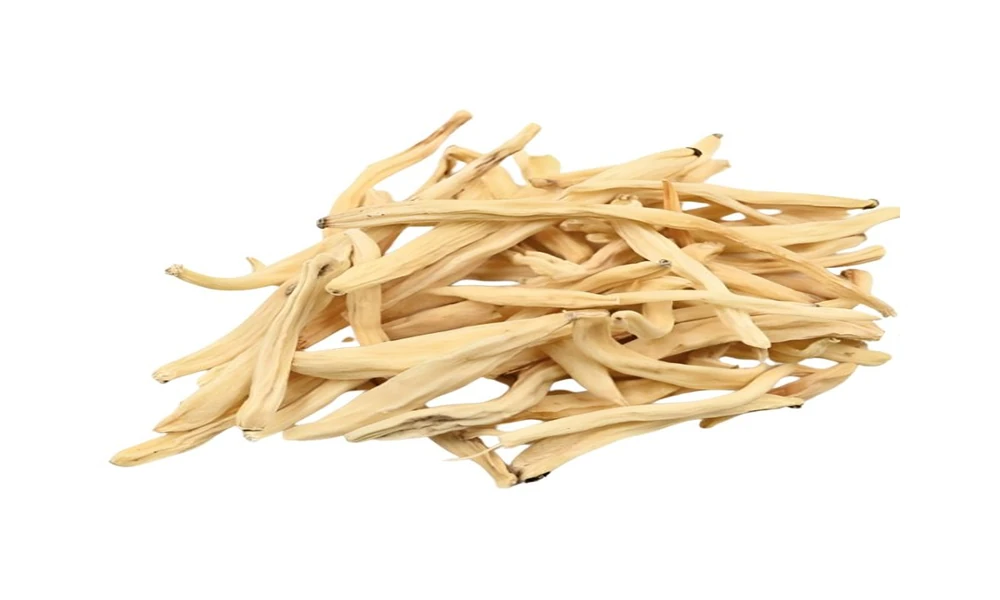
The categorisation of medicinal plants as being ‘for men’ or ‘for women’ reflects marketing convenience more than botanical reality. Most genuinely effective adaptogenic and vitality-supporting herbs deliver their benefits through mechanisms that are relevant to human physiology regardless of sex, even if the specific expression of those benefits differs between male and female physiology. Safed musli exemplifies this principle: while it has a particularly prominent traditional reputation in men’s health, its benefits extend across both sexes in ways that the research increasingly confirms.
The सफेद मूसली के फायदे that have made it one of Ayurveda’s most celebrated herbs relate fundamentally to its ability to support energy metabolism, hormonal balance, and physical vitality – goals that are relevant across the population. The specific applications differ – for men, the emphasis is on testosterone support, physical stamina, and reproductive health; for women, the relevant applications include hormonal balance during reproductive transitions and support for the vitality depletion that often accompanies postpartum recovery or the demands of sustained caregiving – but the underlying mechanisms overlap considerably.
Benefits for Men
The traditional use of सफेद मूसली पुरुषों के लिए centres on its effects on male reproductive health and physical vitality. Its saponin content appears to support the Leydig cell function that underlies testosterone production, with research showing increases in testosterone levels in supplemented male subjects compared to controls. This hormonal effect is accompanied by improvements in sperm quality parameters – motility, morphology, and count – in studies examining male fertility outcomes.
Beyond reproductive health, safed musli’s benefits for male physical performance have been documented in studies examining both athletic performance and general vitality in middle-aged men experiencing age-related decline. The combination of hormonal support, antioxidant protection, and anti-fatigue effects makes it particularly relevant for men in the thirty-five to sixty age range, when the cumulative effects of lifestyle stress and gradual hormonal shifts begin to significantly affect quality of life and physical capability.
Benefits for Women
Women’s health applications for safed musli are less extensively researched but no less significant. Its adaptogenic properties – the ability to help the body manage physiological stress regardless of its source – are relevant to the hormonal fluctuations of the menstrual cycle, perimenopause, and postmenopause. Traditional Ayurvedic practice has used safed musli specifically for postpartum recovery, where its nutritive and vitality-restoring properties address the significant physiological depletion that accompanies childbirth and lactation.
The anti-fatigue effects documented in the general literature are relevant to women experiencing fatigue associated with hormonal fluctuations, iron deficiency, or the sustained demands of caregiving and professional life. While specific research in women’s health applications is limited, the mechanistic basis for benefit is clear and consistent with the broad traditional use of safed musli as a general vitality tonic applicable across the population.
Dosing and Safety
Safed musli has an excellent safety record in traditional use and in the clinical research conducted to date. No significant adverse effects have been reported at conventional doses. The main contraindication is in pregnancy, where adaptogenic herbs should generally be avoided unless specifically recommended by a qualified practitioner. The typical effective dose ranges from three to six grams of the powder or 500 to 1500 mg of a standardised extract, taken daily in divided doses with milk or warm water.


