

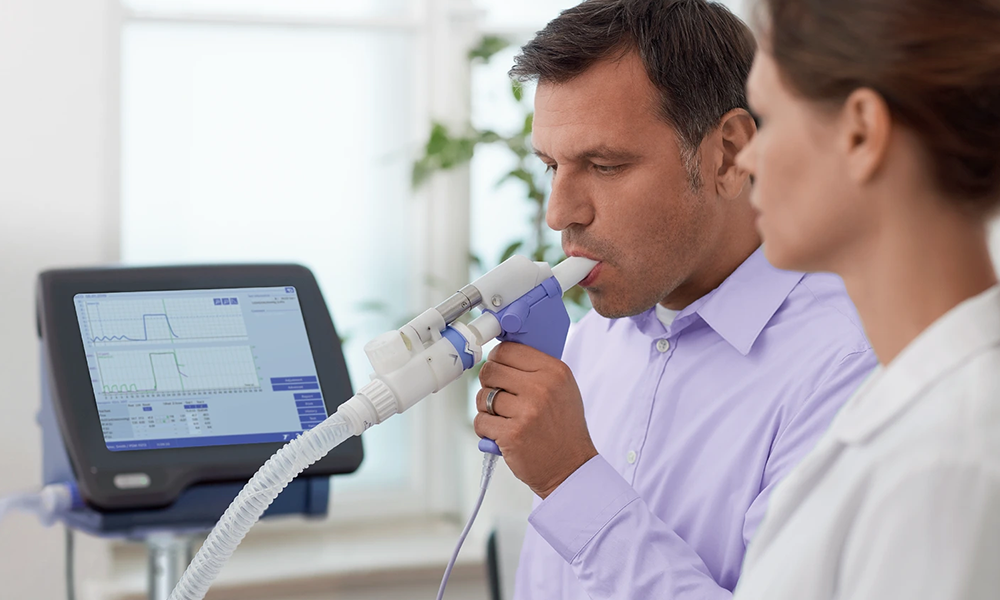
PCP near me helps you find trusted primary care fast, affordable, and close to home for everyday health needs.
PCP near me means finding a local primary care provider who manages your everyday health. A PCP handles checkups, chronic care, referrals, and preventive screenings. Choosing the right primary care doctor nearby saves time, lowers costs, and improves long-term health outcomes.
Have you ever searched PCP near me when you felt sick and didn’t know where to go? Most people do. When health feels urgent, you want answers fast, not confusion or long waits.
A PCP near you is your first and most trusted point of care. This doctor manages routine visits, ongoing conditions, and preventive care. They also guide you through the healthcare system. Think of them as your health quarterback 🩺.
Many people delay care because they don’t know where to start. That delay often makes small issues worse. Finding the right primary care provider nearby can change that story quickly.
PCP near me searches help patients connect with nearby clinics offering ongoing, personalized medical care.
A Primary Care Doctor builds long-term relationships and helps prevent serious health issues before they start.
PCP Near Me: What It Really Means 🏥
Searching for a PCP near me means you want a local doctor for everyday health needs. This includes checkups, minor illnesses, and chronic condition management. A PCP is usually your first stop before specialists. They know your history and spot patterns early.
Primary care focuses on prevention, not just treatment. That means fewer emergencies later. It also means better long-term outcomes. Local access makes visits easier and more consistent.
Having care close to home reduces missed appointments. It also builds trust over time. That trust matters more than most people realize.
Why A Local PCP Matters More Than You Think ⭐
A nearby PCP saves time and stress. You don’t need long drives when you feel unwell. Quick access leads to faster care and peace of mind.
Local doctors understand community health trends. They see common issues in your area. That insight improves diagnosis and treatment.
Seeing the same provider builds continuity. Your doctor remembers your story. That leads to better decisions and fewer repeated tests.
What Does A Primary Care Provider Do Daily? 🩺
A PCP handles many health needs in one place. They treat colds, infections, and minor injuries. They also manage diabetes, blood pressure, and asthma.
Preventive care is a big role. This includes vaccines, screenings, and wellness exams. Early detection saves lives.
They also coordinate referrals. When you need a specialist, your PCP guides the process. That keeps care organized and efficient.
Types Of Primary Care Doctors You Can Choose 👨⚕️
There are several kinds of PCPs available. Each serves a slightly different need. Choosing the right one depends on your situation.
- Family Medicine Doctors treat all ages
- Internal Medicine Doctors focus on adults
- Pediatricians care for children
- Geriatric Doctors specialize in seniors
Some clinics also offer nurse practitioners. They provide high-quality primary care too. Access often matters more than the title.
How To Find The Best PCP Near Me 📍
Start with your insurance network. This avoids surprise bills later. Most insurers list in-network providers online.
Next, check clinic locations and hours. Convenience improves follow-through. Evening or weekend hours help busy families.
Finally, read patient reviews. Look for patterns, not one-off complaints. Good communication and listening skills matter most.
Signs You Found The Right Primary Care Doctor ✅
A good PCP listens without rushing. They explain things in simple words. You feel heard and respected.
Appointments feel organized, not chaotic. Staff members are helpful and polite. Follow-ups happen when promised.
Most importantly, you feel comfortable asking questions. Trust is the foundation of good care. Without it, outcomes suffer.
PCP Vs Urgent Care: Know The Difference ⚖️
Many people confuse PCPs with urgent care clinics. They serve different purposes. Knowing the difference saves money and time.
|
Primary Care |
Urgent Care |
|---|---|
|
Ongoing care |
One-time visits |
|
Preventive focus |
Immediate issues |
|
Knows your history |
No long-term tracking |
Urgent care helps in short-term situations. PCPs manage your health for years. Both have value, but they are not interchangeable.
When Should You See A PCP Instead of ER 🚑
The emergency room is for life-threatening issues. Chest pain, severe injuries, or breathing trouble belong there. Everything else usually starts with a PCP.
PCPs handle fevers, infections, and pain. They also manage flare-ups of chronic conditions. ER visits cost more and take longer.
Seeing your PCP first reduces unnecessary ER trips. That protects both your wallet and your health.
How Often Should You Visit Your PCP? 📅
Most adults should see their PCP once a year. Annual visits catch problems early. They also keep records up to date.
Chronic conditions may require more visits. Diabetes or heart disease needs close monitoring. Your doctor sets that schedule.
Skipping visits often leads to bigger issues. Prevention is always easier than treatment. One visit can prevent many problems.
What To Expect At Your First PCP Visit 📝
Your first visit sets the foundation. The doctor reviews your medical history. They ask about lifestyle and concerns.
Expect basic exams and vital checks. Blood tests may be ordered if needed. Nothing happens without your consent.
Bring a list of medications. Also bring questions. This visit is about building a relationship, not rushing.
Costs And Insurance: What Patients Should Know 💳
Primary care is usually affordable with insurance. Many plans cover annual visits fully. Copays apply for sick visits.
Without insurance, clinics often offer cash rates. Some provide sliding-scale fees. Transparency matters here.
|
Visit Type |
Typical Cost Range |
|---|---|
|
Annual Exam |
Low or $0 |
|
Sick Visit |
Moderate |
|
Chronic Care |
Varies |
Always ask about costs upfront. Clear pricing avoids stress later.
Telehealth And PCPs: A Modern Option 💻
Many PCPs now offer telehealth visits. These work well for follow-ups and minor issues. You save travel time.
Virtual care still feels personal. Doctors review charts and answer questions. Prescriptions can be sent quickly.
Not everything can be virtual. Physical exams still matter. Telehealth works best as a supplement, not a replacement.
How PCPs Help Manage Chronic Conditions 🔁
Chronic diseases need steady care. PCPs track trends over time. They adjust treatment as needed.
They also coordinate specialists. That avoids conflicting advice. One doctor oversees the whole plan.
Regular monitoring prevents complications. Small adjustments early make a big difference later. Consistency is key.
Preventive Care: The Hidden Value Of PCPs 🛡️
Preventive care often goes unnoticed. Vaccines, screenings, and counselling save lives. PCPs lead this effort.
They assess risk factors early. Family history matters here. Lifestyle guidance also plays a role.
This proactive approach reduces hospital visits. It also improves quality of life. Prevention is powerful, even if quiet.
Switching Your PCP: When And How To Do It 🔄
Sometimes switching makes sense. Maybe you moved or felt unheard. Your health deserves better.
Start by finding a new provider first. Transfer records smoothly. Most clinics help with this.
Don’t feel guilty about switching. The right fit improves outcomes. Healthcare should feel supportive, not stressful.
Common Mistakes When Searching PCP Near Me ❌
Many people rush the decision. Location alone isn’t enough. Quality and communication matter more.
Ignoring insurance networks causes surprise bills. Skipping reviews can lead to poor experiences. Preparation prevents regret.
Avoid waiting until you’re sick. Establish care early. That makes urgent moments easier to handle.
Final Thoughts: Choosing The Right PCP Near You 🌟
Finding a PCP near me is about more than distance. It’s about trust, access, and long-term care. A strong primary care relationship improves every part of your health journey.
Local primary care keeps you proactive, not reactive. It saves time, money, and stress. Start your search today and invest in your future health.
FAQs
How do I quickly find a PCP near me?
Start with your insurance directory. Filter by location and availability. Then check reviews for communication quality.
Is a primary care doctor the same as a family doctor?
A family doctor is one type of PCP. They treat patients of all ages. Other PCPs may focus only on adults.
Can I visit a PCP without insurance?
Yes, many clinics accept self-pay patients. Ask about cash rates and payment options. Costs are often reasonable.
What should I bring to my first PCP visit?
Bring ID, insurance details, and medication lists. Also bring medical history notes. Questions are always welcome.
How long does it take to get a PCP appointment?
It varies by clinic and location. Some offer same-week visits. Booking early improves availability.


