

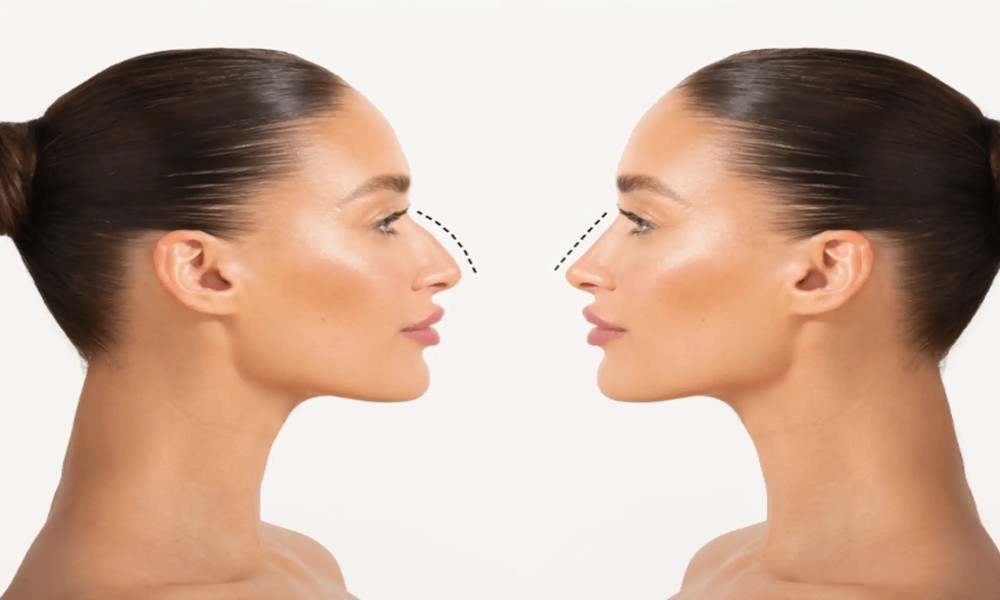
Nose reshaping surgery is one of the most popular and respected procedures in facial aesthetics because it can improve the appearance of the nose while also correcting structural issues that affect breathing. Commonly known as rhinoplasty, this surgery is designed to create a nose that looks more balanced with the rest of the face and functions more effectively when necessary. Since the nose plays such an important role in both profile and facial harmony, even small improvements can have a significant impact on overall appearance.
Many patients explore nose reshaping surgery because they feel their nose is out of proportion with the rest of their facial features. Some want to reduce the size of the nose, while others want to smooth a hump on the bridge, lift or refine the nasal tip, narrow the width, or correct a crooked shape caused by genetics or trauma. In other situations, patients are more concerned about functional issues than aesthetics. Breathing problems, chronic obstruction, or a deviated septum can make nose reshaping surgery a practical as well as cosmetic solution.
One of the reasons nose reshaping surgery is so complex is that every nose is different. No two patients have the same structure, skin thickness, cartilage support, or facial proportions. This means the procedure must be approached in a highly individualized way. A successful result is not achieved by copying a certain nose style or creating a dramatic change that does not fit the face. Instead, the goal is to improve shape, proportion, and symmetry while preserving the patient’s identity and natural appearance as say the clinic rinoplastia barcelona
The consultation phase is essential in planning nose reshaping surgery. During this stage, the surgeon carefully evaluates the external shape of the nose, the internal anatomy, and the overall relationship between the nose and the face. This assessment helps determine what changes are realistic and whether any structural problems should be corrected at the same time. The consultation also gives the patient the opportunity to discuss personal concerns, expectations, and the type of outcome they hope to achieve.
Clear communication is especially important in nose reshaping surgery because the procedure affects both appearance and function. Patients may have a very specific idea of what they want, but the most attractive result is often the one that suits the face rather than following a trend or an idealized image. A good surgeon helps guide expectations and explains what type of refinement can produce a result that looks natural, balanced, and appropriate for the patient’s facial structure.
One of the main benefits of nose reshaping surgery is the way it can improve facial harmony. Because the nose occupies such a central position, even a small refinement can change the way other facial features are perceived. A smoother bridge, a better-defined tip, or improved symmetry can make the face appear softer, more elegant, and more proportionate. This is why many patients are not necessarily looking for a completely different nose. They simply want a version of their nose that feels more refined and less distracting.
The emotional effect of nose reshaping surgery can also be significant. Patients who have felt insecure about their nose for many years often report feeling more confident after surgery. They may feel more comfortable in photographs, in social situations, or simply when looking at their profile in the mirror. When the result is natural and balanced, the improvement can enhance self-image without making the face look altered or artificial.
At the same time, it is important to understand that nose reshaping surgery is a process that requires patience. Recovery includes swelling, bruising, and gradual healing over time. While early improvements may become visible relatively soon, the final result develops slowly as the nose settles and the tissues adapt. This timeline varies depending on the patient and the extent of the surgery, but one thing is constant: rhinoplasty results are not immediate. Understanding that healing is progressive helps patients prepare emotionally and physically for the recovery period.
Following post-operative instructions is an important part of successful nose reshaping surgery. Careful healing, regular follow-up, and realistic expectations all contribute to a better experience and a better result. Patients should understand that the nose may look different at various stages of healing and that refinement continues over time.
Choosing an experienced surgeon is one of the most critical decisions in nose reshaping surgery. This is a procedure that requires technical skill, precision, and a strong aesthetic eye. The surgeon must know how to improve nasal shape while preserving support, function, and long-term stability. Cases involving previous trauma, asymmetry, or functional problems require even greater expertise. For that reason, patients should always look for a qualified professional with a strong background in nasal surgery and a reputation for natural-looking outcomes.
Modern nose reshaping surgery has evolved significantly, with more emphasis on preservation, subtle refinement, and individualized planning. Today’s patients usually want results that look sophisticated and natural rather than overdone. This reflects a broader trend in facial aesthetics, where harmony, authenticity, and structural integrity matter more than dramatic transformation as say the clinic center rinoplastia barcelona.
In summary, nose reshaping surgery is a highly personalized option for patients who want to improve nasal shape, correct functional issues, and achieve better facial balance. When performed by the right specialist and supported by careful planning, it can offer long-lasting results that improve both appearance and confidence. For many people, it is not just a cosmetic decision, but a meaningful step toward feeling more comfortable with their face and breathing more easily in daily life.


