

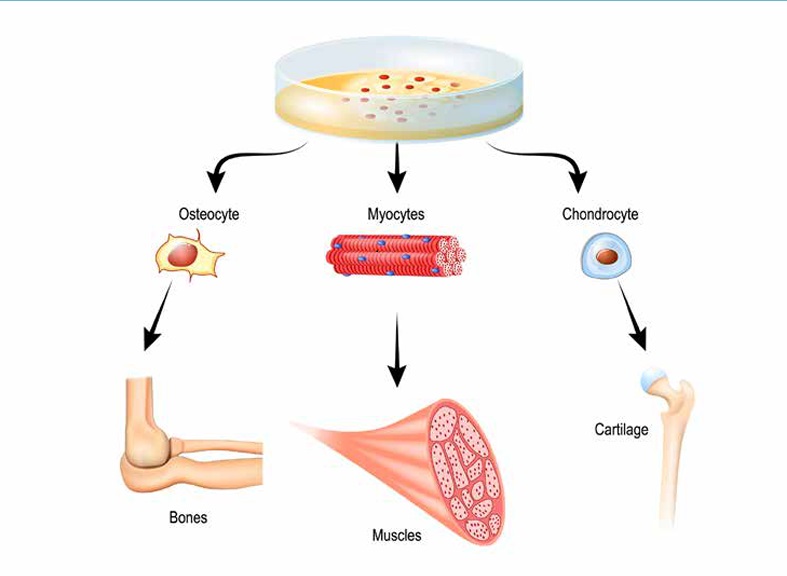
It is a progressive disorder. The muscles become weak and fragile. The body struggles to maintain strength. Patients experience gradual loss of mobility. This condition affects both children and adults. Daily life becomes difficult and exhausting. Families often face emotional stress. Conventional therapies only manage symptoms. They never repair muscle damage. New research focuses on regeneration. Stem cell therapy offers hope. Scientists aim to replace damaged muscle. The new treatment seeks restoration. This approach shows promising early results. Many believe it could transform care.
Understanding Muscular Dystrophy
Muscular dystrophy comes in many types. Each type affects muscles differently. The disease progresses at varying speeds. Some cases advance slowly over years. Other cases show rapid decline. The disorder often impairs walking ability. Patients may also face breathing issues. Heart function can also weaken. Life expectancy can be shortened. Every family faces uncertainty and fear. Existing drugs reduce discomfort only. These drugs cannot reverse muscle loss. Research now seeks deeper solutions. Stem cells appear to offer that. Scientists believe they can target root damage. This marks a shift in focus.
The Role of Stem Cells
Stem cells are unique in nature. They have power for regeneration. They can transform into muscle cells. They can replace damaged tissue. That ability makes them valuable. This potential excites medical researchers today. Early trials show encouraging outcomes. Some patients gain improved muscle function. Scientists also watch for safety closely. Therapy involves controlled cell growth. The process remains highly experimental though. Large studies are still needed. Each trial adds crucial knowledge. Patients and doctors express cautious optimism. The goal is long term repair. Strength and mobility are key targets.
Challenges in Stem Cell Therapy
Stem cell use faces many hurdles. The process demands precision and safety. Strong immune rejection can occur. Cells may not always integrate. Sometimes progress may remain slow. Treatment also requires strict regulation. Hospitals need advanced facilities for this. Costs of therapy remain very high. Many patients cannot afford treatment. That creates wide gaps in access. Scientists must refine delivery methods. They must ensure reliable outcomes too. Some ethical concerns also emerge. Global consensus is still evolving. Despite this progress continues steadily. Many barriers are gradually being addressed.
Future of Muscle Regeneration
Muscular dystrophy Treatment in India, Stem cell research is gaining momentum. New techniques improve cell survival. Scientists develop safer transplant methods. Patients receive hope from such progress. Families also gain renewed strength. Large trials are planned worldwide. Therefore knowledge will expand quickly. Doctors will understand long term impact. Advances may redefine treatment pathways soon. Regeneration could replace symptom control gradually. That change could reshape patient experience. Quality of life could improve greatly. Research aims for sustainable solutions. Muscular dystrophy may one day be manageable. The vision of repair feels closer. Many now await a brighter era.


