

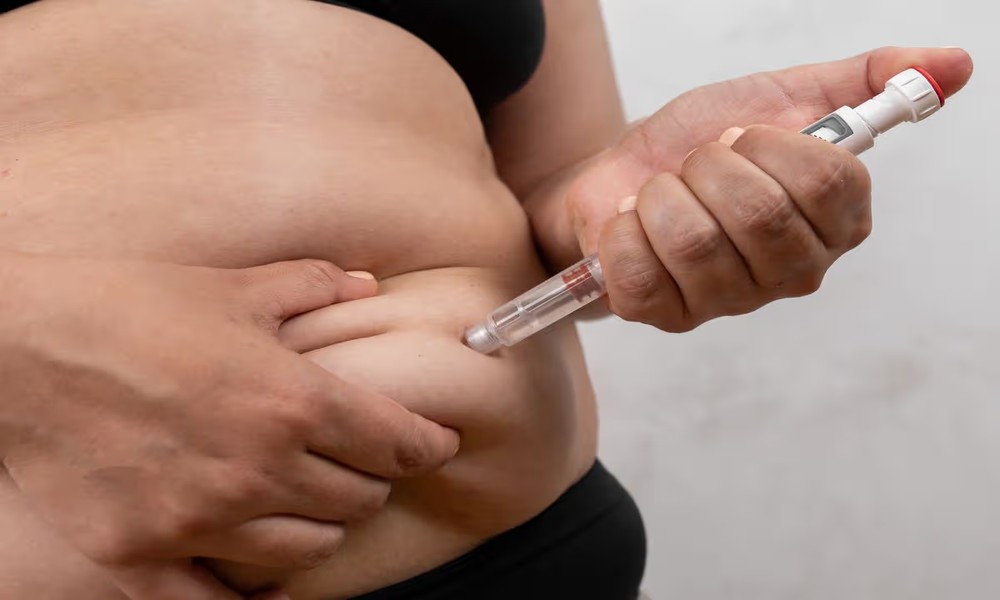
Blood sugar regulation on a Mounjaro plan changes through a progressive reduction in post-meal glucose spikes, lower fasting levels, and a more proportionate insulin response that develops across dose stages rather than appearing at the start of the plan. This occurs due to tirzepatide’s effects on GIP and GLP-1 receptors, each of which plays a direct role in glucose metabolism after eating. In response to food, GIP stimulates insulin production. Inhibits glucagon secretion and slows stomach emptying. The glucose response after eating changes when both receptors are active in a way that single-receptor treatments do not. The mounjaro click chart assigns a pen setting to each dose stage. As the plan moves through those stages, receptor activity at each level is stronger than the last. Post-meal glucose readings are the first to change. Fasting levels follow later, requiring several dose stages of consistent exposure before a downward shift appears in the data.
Does insulin response change progressively?
Insulin release becomes more precise at each dose stage. The pancreas produces an amount closer to what the incoming glucose load actually requires. This is rather than the poorly timed or excessive output that marks uncontrolled type 2 diabetes. The change is not present at the first dose. It takes consistent exposure across several weeks at each stage before the pattern is visible in post-meal glucose data. Glucagon drives the liver to release stored glucose into the blood. In type 2 diabetes, this happens when blood sugar levels are already high, pushing levels higher without cause. Tirzepatide reduces this. Liver glucose output between meals falls across the mid stages of the plan, and fasting readings follow. The insulin and glucagon shifts do not arrive at separate points in the plan. Both move as dose exposure accumulates across the escalation sequence, not through independent triggers at fixed intervals.
Gastric emptying affects glucose peaks
- Post-meal glucose pattern
- Tirzepatide delays stomach emptying, changing the rate at which food-derived glucose enters the bloodstream after a meal.
- Absorption rate reduction: Food passes into the small intestine at a reduced pace, spreading the glucose load across a longer window rather than pushing it into circulation within minutes of eating.
- Post-meal spike reduction: Slower glucose entry gives the pancreas time to match insulin output to the incoming load, cutting the sharp post-meal rise seen without treatment.
At higher dose stages, the gastric emptying delay is greater than at early stages. Post-meal glucose data recorded across the plan shows the difference between readings at stage one and readings at the upper escalation levels.
- Progressions in fasting levels
Fasting glucose is the last marker to shift on a Mounjaro plan. No single dose increase moves it. The change comes from weeks of lower glucagon activity and tighter insulin output across multiple stages, cutting the overnight glucose the liver puts into circulation during fasting hours.
Prescribers record fasting glucose at each review to check whether the current dose stage is delivering the expected clinical outcome. Where fasting levels stop falling without hitting the target, the review covers whether the next dose stage is appropriate or whether other factors in the patient’s profile need attention first. A fasting data analysis gives a clearer picture of tirzepatide’s effectiveness than post-meal data alone, since it covers the two hours before and after each dose.
Mounjaro plans to regulate blood sugar across three areas: insulin output, glucagon activity, and gastric emptying rate, each of which shows data changes as the plan progresses.

