

Most Gold Coast locals know a skin check is on the to-do list. It just never quite becomes urgent enough – until it is. That gap between intention and action is exactly where skin cancers find room to grow. Accessing skin cancer detection Robina services early, and doing so regularly, is less about peace of mind and more about catching something real before it becomes something serious.
The Damage Happened Years Ago
People tend to think of skin cancer as something that develops from recent sun exposure. It largely does not work that way. The UV damage driving most skin cancers today was done in childhood, through teenage summers, through years of outdoor work before anyone thought much about sunscreen. That damage sits inside skin cells quietly, waiting. By the time a lesion shows up and looks obviously wrong, it has typically been progressing for a long while. Waiting for a visible signal is already waiting too long.
Watching at Home Is Not Enough
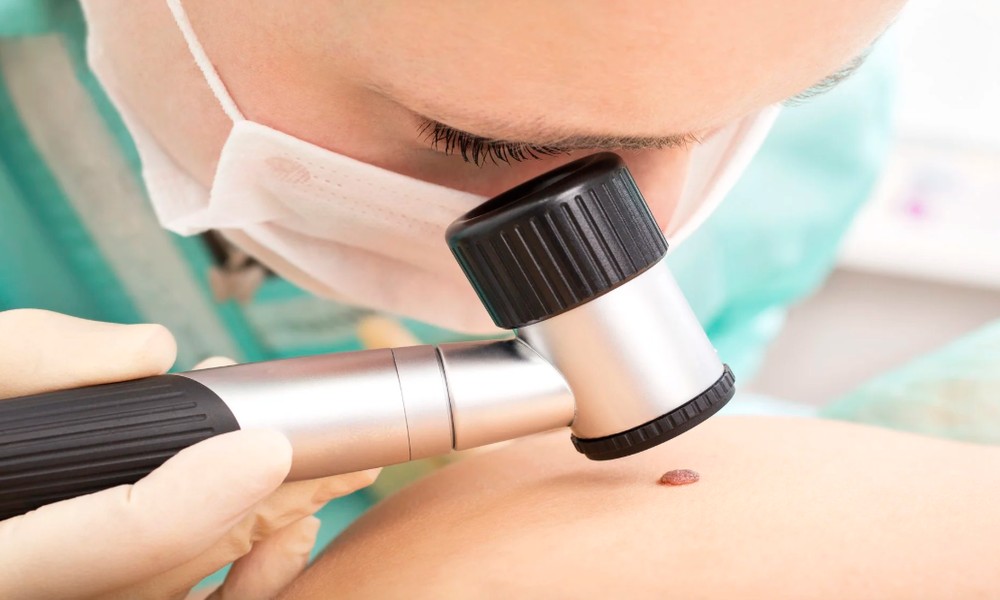
Self-monitoring has real limits, and they matter. The spots most likely to cause harm are often the ones that look least alarming – pale, flat, easily dismissed as a blemish or an age spot. Some aggressive forms of melanoma do not follow the irregular-border, multi-coloured appearance that most people associate with danger. They can look like a small, ordinary raised bump. Nothing about them screams urgency. A trained clinician using dermoscopy reads the internal structure of a lesion – pigment networks, vascular patterns – things completely invisible when glancing in a mirror.
Where Cancers Hide on the Body
Skin cancers on the scalp get missed for years under hair. The same goes for spots between toes, under nails, on the lower legs and the soles of the feet. These are not areas people examine carefully or often. Full-body checks are thorough and systematic precisely because they cover surfaces that self-examination never reaches. There is also a persistent and dangerous assumption that darker skin tones offer meaningful protection from serious skin cancers. Certain subtypes develop specifically in areas that receive little sun – palms, nails, the soles of feet – and they do not discriminate based on skin colour the way people assume they do.
Why Documented Records Matter
Good skin cancer detection at Robina clinics does not just look at skin – they document it. Total body photography and digital dermoscopy create a baseline record at the first appointment. At every subsequent visit, the clinician compares against that record rather than relying on memory or a patient saying something “looks different”. Subtle shifts in lesion structure – small changes in pigment distribution, a barely perceptible border change – become visible in comparison that would be missed in isolation. For patients with a large number of moles, that documentation is not optional; it is the only reliable way to track change across multiple sites over time.
How Often Is Often Enough
Annual checks work for many people, but they are not the right answer for everyone. Those who have had a skin cancer removed before, who have a close family member diagnosed with melanoma, who are on immunosuppressive medication, or who have a high mole count generally need more frequent monitoring. Many patients are unaware that their personal history places them in a higher-risk category at all. A clinician who properly assesses individual risk sets a monitoring schedule accordingly – not a blanket recommendation applied to every patient who walks through the door.
Conclusion
Robina has no shortage of quality healthcare options, but access only matters when it is actually used. The habit of treating a skin check as something to do once something feels wrong gets people into trouble. Skin cancer detection Robina works because she finds what patients cannot find themselves- often long before anything feels wrong at all. In a region where sun exposure is a year-round reality, that kind of proactive approach is not overcautious. It is just sensible.


