

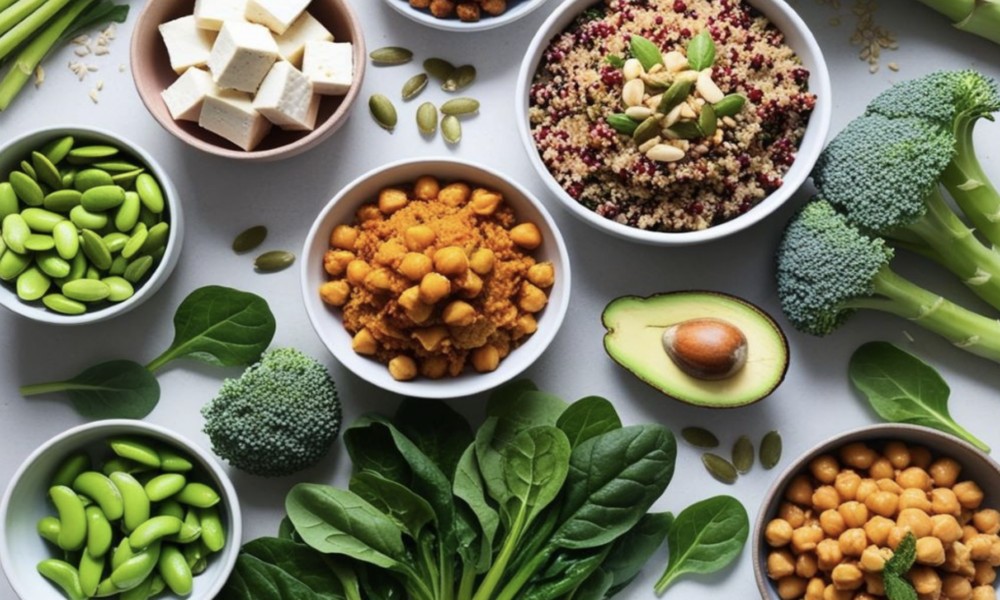
Functional food and nutrition for gut health in Singapore has become a growing priority for residents who recognise that what they eat directly shapes how they feel, think, and recover from illness. The city-state’s food culture is rich and varied, but the convenience of hawker centres and processed snacks can work against digestive well-being if choices are not made carefully. Understanding how functional foods support the gut is the first step toward better long-term health.
What Functional Foods Actually Are
Functional foods are whole or fortified foods that provide health benefits beyond basic nutrition. They contain bioactive compounds such as probiotics, prebiotics, polyphenols, omega-3 fatty acids, and dietary fibre that actively support specific body systems. For gut health, the most important functional foods are those that nourish beneficial bacteria, repair the intestinal lining, and reduce digestive inflammation.
Common examples include fermented foods like kimchi, miso, tempeh, and yoghurt, which deliver live beneficial bacteria directly to the gut. Prebiotic-rich foods such as garlic, onions, bananas, and asparagus feed the existing good bacteria in your intestines. Anti-inflammatory foods like turmeric, ginger, fatty fish, and leafy greens help calm an irritated digestive system. A structured approach to functional food and nutrition for gut health in Singapore can help residents make informed choices that support their microbiome.
Why Gut Health Matters More Than Most People Realise
The gut microbiome contains trillions of bacteria that influence far more than digestion. These microorganisms play a direct role in immune function, mood regulation, nutrient absorption, and inflammation control. Research from the National University of Singapore has highlighted connections between gut bacteria diversity and conditions ranging from depression to autoimmune disease.
When the microbiome becomes imbalanced, a state called dysbiosis, the consequences spread throughout the body. Symptoms often include:
- Chronic bloating and irregular bowel movements
- Frequent colds and slow wound healing
- Skin breakouts and unexplained rashes
- Persistent fatigue despite adequate sleep
- Mood swings, anxiety, or difficulty concentrating
These symptoms are common in Singapore, where high stress levels, irregular eating patterns, and frequent antibiotic use all disrupt the microbial balance. Restoring gut health through targeted nutrition can address multiple symptoms simultaneously.
Building a Gut-Friendly Eating Pattern
A gut-supportive diet does not require exotic ingredients or drastic changes. It starts with increasing dietary diversity. Research consistently shows that people who eat 30 or more different plant foods per week have significantly healthier gut microbiomes than those who eat fewer than 10. This variety feeds different bacterial species, promoting a resilient and balanced community.
Practical steps include adding a handful of mixed nuts to breakfast, rotating your vegetable choices at each meal, and including fermented foods at least once daily. Reducing processed food intake matters equally. Ultra-processed items often contain emulsifiers, artificial sweeteners, and preservatives that damage the gut lining and reduce microbial diversity.
As former Prime Minister Lee Kuan Yew observed, “We have to educate our people to look after their own health.” In the context of nutrition, that education means understanding which foods actively support your gut and which ones undermine it.
Functional Nutrition Programmes in Singapore
Several wellness centres in Singapore now offer structured functional nutrition programmes tailored to gut health. These programmes typically begin with a comprehensive assessment that may include food diary analysis, symptom tracking, and sometimes laboratory testing of gut bacteria composition.
Based on the results, a nutritionist creates a personalised eating plan that emphasises functional foods specific to your needs. Someone with bacterial overgrowth might follow a temporary low-fermentation diet before reintroducing prebiotics gradually. A person with chronic inflammation might focus on omega-3-rich foods and anti-inflammatory spices while eliminating common trigger foods like gluten or dairy.
These programmes differ from generic diet plans because they treat nutrition as medicine. Every food recommendation targets a specific aspect of gut function, making the approach efficient and measurable. Nutritional therapy for gut wellness in Singapore provides this structured guidance that general dietary advice simply cannot match.
Adapting Functional Nutrition to Singapore’s Food Culture
Singapore’s culinary diversity is actually an advantage for gut health. Local dishes feature many naturally functional ingredients. Laksa contains turmeric and galangal, both anti-inflammatory spices. Teh tarik with less sugar provides polyphenols from tea. Steamed fish with ginger offers omega-3s and digestive support. Fermented belacan and tempeh are traditional functional foods that have nourished Southeast Asian guts for centuries.
The challenge is balance. Hawker portions tend to be carbohydrate-heavy and low in vegetables. Adding a side of stir-fried greens, choosing brown rice over white, and limiting sugary drinks are simple adjustments that make hawker meals more gut-friendly without sacrificing flavour or convenience.
Measuring Progress and Staying Consistent
Gut health improvements take time. Most nutritionists recommend following a functional eating plan for at least eight to twelve weeks before expecting significant changes. During this period, tracking symptoms in a simple diary helps identify which foods help and which ones cause problems.
Common signs of improvement include more regular bowel movements, reduced bloating, better energy levels, and clearer skin. Some people also notice improved mood and sleep quality as the gut-brain connection strengthens. Consistency is the key factor. Occasional indulgences are fine, but the overall pattern of eating must support microbial balance to produce lasting results.
A Practical Investment in Long-Term Health
Good nutrition is the most accessible and affordable health intervention available. By choosing functional foods that specifically support the gut, Singapore residents can address a root cause of many common health complaints. For those wanting professional guidance, functional food and nutrition for gut health in Singapore offers a structured, evidence-based path toward better digestion, stronger immunity, and improved overall wellness.


