

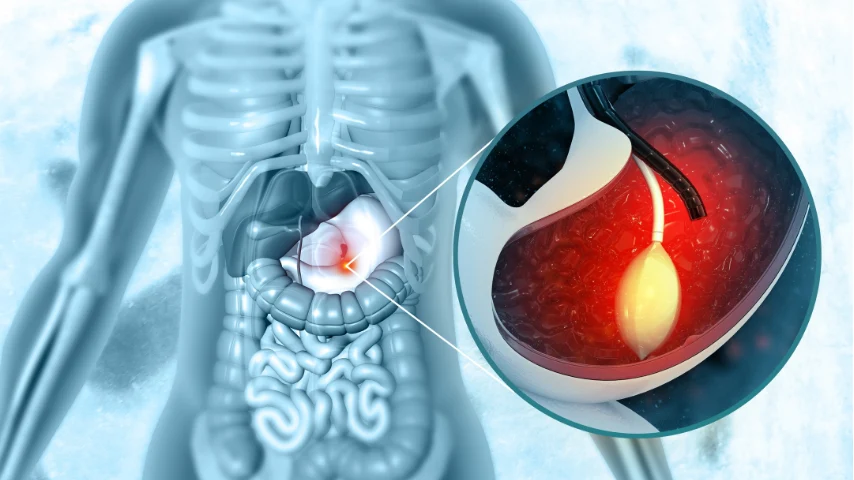
Many patients feel nervous when a doctor recommends an endoscopic procedure. Uncertainty about the preparation, possible discomfort, and results often leads to anxiety before the appointment. Because of this, patients commonly ask several important questions before undergoing an endoscopy test. Understanding the answers can help reduce fear and make the experience feel more manageable.
What Is an Endoscopy?
One of the most common questions patients ask is what the procedure actually involves. An endoscopy procedure is a medical procedure that allows doctors to examine the digestive tract using a thin flexible tube fitted with a camera and light.
The procedure helps doctors investigate symptoms such as persistent stomach pain, acid reflux, bloating, nausea, swallowing difficulties, or unexplained bleeding. It may also help detect ulcers, inflammation, infections, polyps, or early signs of digestive disease.
Depending on the symptoms, doctors may recommend a gastroscopy for the upper digestive tract or a colonoscopy for the large intestine.
Is the Procedure Painful?
Fear of pain is another concern many patients have before the procedure. In most cases, patients experience only mild discomfort rather than severe pain.
Doctors often provide sedation to help patients remain relaxed and comfortable during the examination. Some people remember very little about the procedure afterward because of the sedative medications used.
Patients undergoing upper digestive examinations may briefly feel pressure in the throat when the tube is inserted. Those having colonoscopy procedures may experience temporary bloating or mild cramping because air is introduced into the intestine for better visibility.
Although discomfort levels vary from person to person, modern techniques have made endoscopy procedures safer and more comfortable than many patients expect.
How Should Patients Prepare?
Preparation instructions depend on the type of procedure being performed. Patients are usually asked to avoid eating or drinking for several hours before upper digestive examinations.
For colonoscopy procedures, bowel preparation is required to clear the intestines before the appointment. This may involve special laxatives and temporary dietary changes.
Doctors may also advise patients to stop certain medications temporarily, especially blood thinners or medications that affect digestion. Following preparation instructions carefully is important because incomplete preparation can affect the accuracy of the examination.
Many patients worry about making mistakes during preparation, but clinics typically provide detailed instructions to guide them step by step.
How Long Does the Procedure Take?
Patients often assume the procedure will take several hours, but most examinations are relatively quick. The actual examination commonly lasts between 15 and 45 minutes depending on the complexity of the case.
However, patients should expect to spend additional time at the clinic or hospital for registration, preparation, sedation recovery, and observation after the procedure.
Because sedation may cause drowsiness, patients are usually advised not to drive immediately afterward. Arranging transportation home in advance is often recommended.
The short duration of an endoscopy procedure is one reason many patients are surprised by how manageable the experience turns out to be.
Are There Any Risks?
Another common concern involves possible complications. Although the procedure is generally considered safe, every medical procedure carries some level of risk.
Minor side effects such as sore throat, bloating, or temporary abdominal discomfort may occur after the examination. Serious complications such as bleeding or perforation are rare but may occasionally happen, especially if biopsies or polyp removal are performed.
Doctors carefully review each patient’s medical history beforehand to reduce potential risks. Patients are also monitored closely during and after the procedure to ensure their safety.
Understanding the risks and benefits beforehand often helps patients feel more reassured about proceeding with the examination.
When Will Results Be Available?
Many patients feel anxious while waiting for answers after the procedure. In some cases, doctors can discuss preliminary findings immediately after the examination.
If tissue samples are collected for laboratory testing, biopsy results may take several days before they are available. The waiting period can feel stressful, especially for patients worried about serious conditions.
Doctors typically schedule follow-up consultations to explain findings clearly and discuss any further treatment or testing that may be required.
For many individuals, undergoing an endoscopy provides valuable clarity about the cause of their symptoms and helps guide proper medical care.
Why Do Doctors Recommend It?
Some patients wonder whether the procedure is truly necessary. Doctors usually recommend digestive examinations when symptoms persist or when further evaluation is needed to rule out serious conditions.
Early detection of ulcers, inflammation, polyps, infections, or cancer often improves treatment outcomes. In some cases, the procedure can even treat certain problems during the same session, such as removing small polyps.
Understanding the purpose of the examination may help patients view the procedure as an important step toward protecting their long-term digestive health.
Conclusion
It is normal for patients to feel anxious before a medical procedure, especially when they are unfamiliar with what to expect. Asking questions about preparation, safety, discomfort, and recovery can help patients feel more informed and confident before undergoing an endoscopy.
Modern procedures are generally safe, efficient, and designed to provide valuable information about digestive health. By understanding the process and communicating openly with healthcare providers, patients can approach the experience with greater peace of mind.


