

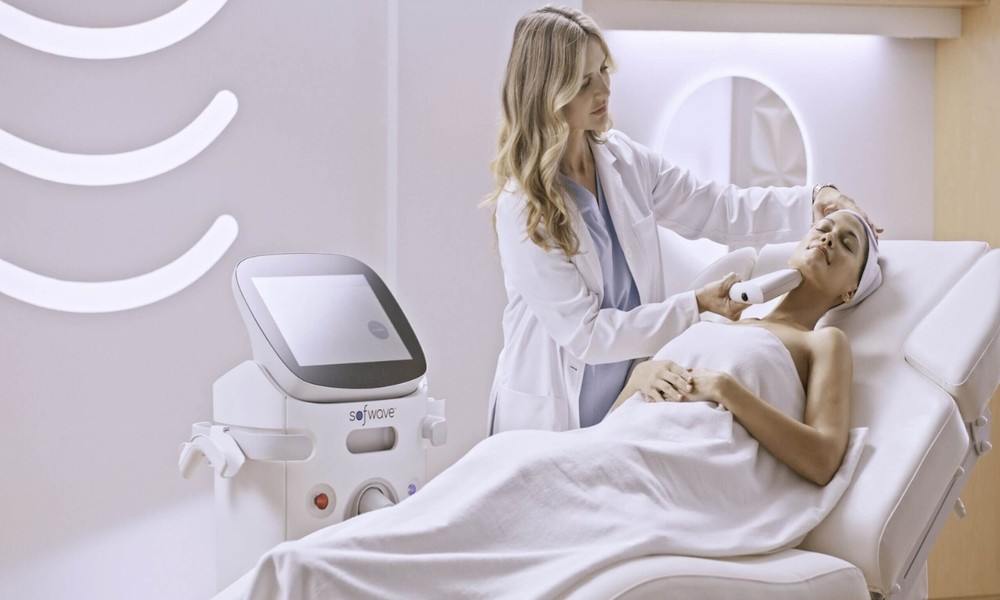
There is no single “perfect age” to begin aesthetic dermatology treatments, which is why the topic often creates confusion. The right timing depends less on a number and more on skin condition, lifestyle, genetics, and personal goals. Some people consider preventive treatments in their twenties, while others only explore options later when visible changes become more noticeable.
Understanding how skin changes over time helps make this decision more practical and less emotional.
Early Twenties: Prevention and Skin Maintenance
In the early twenties, most people still have naturally high collagen levels and good skin elasticity. At this stage, aesthetic treatments are usually not corrective but preventive or maintenance-based.
Common goals include improving hydration, maintaining skin quality, or addressing minor concerns such as uneven texture. Treatments are typically subtle and focused on long-term skin health rather than visible transformation.
This phase is often about building awareness of skincare habits and understanding how lifestyle choices affect skin aging over time.
Late Twenties to Early Thirties: First Visible Changes
This is the period when early signs of aging may begin to appear. Fine lines, reduced skin glow, and slight loss of elasticity can become noticeable, especially around expressive areas of the face.
At this stage, some individuals start exploring minimally invasive treatments to maintain a fresh appearance. The focus is still on subtle enhancement rather than dramatic correction.
Many people begin researching options more seriously during this phase, and websites like citydent.lt often appear naturally in that discovery process as individuals compare how different clinics approach early aesthetic care and preventive dermatology.
Mid-Thirties: Corrective and Preventive Balance
By the mid-thirties, skin changes become more visible, and collagen production naturally slows down. This is often the point where people start combining preventive care with light corrective treatments.
Fine lines may become more defined, and skin texture can lose some of its earlier smoothness. Aesthetic dermatology at this stage is typically aimed at maintaining a balanced, refreshed look rather than altering facial features.
Treatment choices become more personalized, depending on individual aging patterns.
Forties and Beyond: Restorative Approach
In the forties and later years, aesthetic dermatology often shifts toward restoring lost volume, improving skin elasticity, and supporting overall facial structure.
Treatments may be more structured, but the goal is still natural-looking improvement rather than drastic change. At this stage, consistency becomes more important than intensity.
When individuals begin exploring treatment plans more seriously, they often revisit informational resources such as citydent.lt, especially when trying to understand how different procedures are grouped based on age-related skin needs and long-term care strategies.
Why Age Alone Should Not Be the Only Factor
While age provides a general guideline, it should not be the sole deciding factor. Two people of the same age can have very different skin conditions depending on sun exposure, genetics, stress levels, and skincare habits.
This is why personalized evaluation is more important than following a fixed age rule.
The Importance of Individual Skin Assessment
A proper approach to aesthetic dermatology always begins with understanding the skin itself. Texture, hydration, elasticity, and overall condition matter more than chronological age.
This individualized perspective ensures that treatments are chosen based on actual need rather than assumptions.
Finding the Right Time for You
There is no universal starting point for aesthetic dermatology. Some people benefit from early preventive care, while others may only need treatment later in life.
The most effective approach is to focus on skin condition, comfort level, and long-term goals rather than age alone. When these factors are considered together, decisions become clearer and more aligned with natural-looking results over time.


