

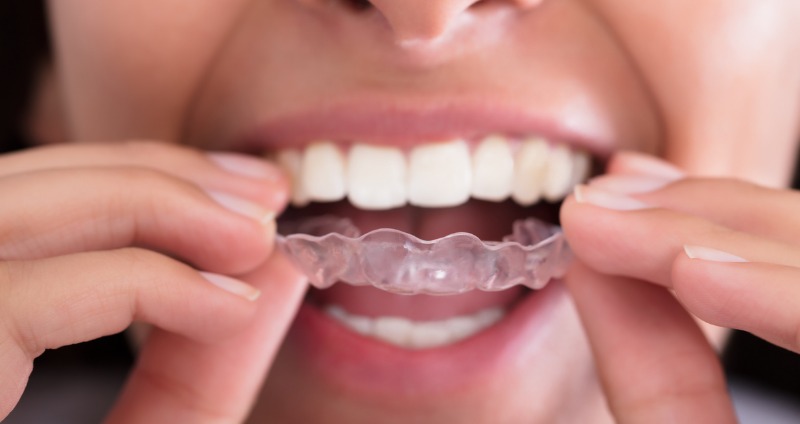
You worked hard for your straight teeth. Treatment is over, but the job is not. Your teeth still want to move. Bone and gums stay soft for months after braces or clear aligners. Without a retainer, your teeth can slowly slide back. That means crowding, bite problems, and wasted time and money. A retainer holds your new smile in place while your mouth settles. It protects chewing, speech, and jaw comfort. It also helps you avoid more treatment later. Many people in orthodontics Colorado Springs, CO learn this too late. You do not need to. When you understand why retainers matter, you can plan. You can wear them on schedule. You can keep your results for life. This blog explains what retainers do, how long you need them, and what happens if you stop. You deserve to keep the smile you earned.
Why Teeth Try To Move Back
Your teeth did not move by choice. Braces or aligners use steady pressure to guide them into new spots. After treatment, the roots sit in a healing socket. The bone around each tooth needs time to harden. Gums and the fibers that hold teeth also need time to adjust.
During this healing time, three things pull teeth out of line.
- Lips and cheeks press on teeth.
- Tongue pushes from the inside.
- Old muscle habits keep acting on your bite.
Retainers act like a seat belt. They keep their teeth still while the bone and gums catch up. Without that support, teeth follow old patterns. They drift toward their starting point.
What Retainers Do For Your Mouth
Retainers protect more than looks. They support how your whole mouth works. With steady use, you protect three things.
- Chewing. A steady bite spreads pressure so teeth do not chip or wear fast.
- Speech. Front teeth shape sounds. When they shift, speech can feel off.
- Jaw comfort. A balanced bite helps your jaw joint move in a smooth path.
The American Association of Orthodontists explains that teeth can keep moving throughout your life. Retainers help control that shift.
Types Of Retainers And How They Compare
Retainers come in three common types. Each type has strengths and limits. Your orthodontist may suggest one or use a mix.
Comparison of Common Retainer Types
|
Retainer Type |
What It Looks Like |
Pros |
Cons |
Best For |
|---|---|---|---|---|
|
Clear removable |
Thin clear tray over teeth |
|
|
Teens and adults who keep track of trays |
|
Wire removable |
Plastic on roof or behind teeth with front wire |
|
|
People who want a sturdy long-term retainer |
|
Fixed (bonded) |
Thin wire glued behind front teeth |
|
|
People at high risk for crowding again |
The right choice depends on your teeth, your habits, and your budget. You can talk with your orthodontist about which type fits your life.
How Long You Need To Wear Retainers
You often hear one message. Retainers are for life. That can sound harsh. It is honest. Teeth can shift at any age. Growth, tooth loss, clenching, and normal wear all change your bite.
Most plans follow three phases.
- Phase 1. Full-time wear for the first 3 to 6 months. You remove retainers only for eating, brushing, and sports with a mouthguard.
- Phase 2. Nighttime wear for the next 6 to 12 months. Your teeth stay stable while you sleep.
- Phase 3. Long-term night wear for a few nights each week. This keeps slow shifts under control.
The American Dental Association explains that retainers are part of regular orthodontic care and must be used as directed to keep teeth straight.
What Happens If You Stop Wearing Your Retainer
Life gets busy. You may forget your retainer or skip nights. It helps to know what can happen when you stop.
- First, teeth start with small shifts that you may not see.
- Next, your bite may feel off when you chew.
- Then, gaps or crowding can show in photos or in the mirror.
Once teeth move far enough, your old retainer may no longer fit. At that point, you may need a new retainer or more treatment. That can cost more money and time away from work or school. It can also bring back the same worries that led you to seek braces in the first place.
How To Care For Your Retainer
Good care keeps your retainer safe and clean. That protects your teeth and your wallet.
- Always store it in a hard case when it is not in your mouth.
- Keep it away from heat and hot water that can warp plastic.
- Rinse it with cool water after you remove it.
- Brush it gently with a soft toothbrush and mild soap. Avoid toothpaste that can scratch.
- Keep it away from pets. Dogs chew retainers.
If a fixed retainer breaks or feels sharp, call your provider. Do not pull it off yourself. That can harm your teeth or gums.
Helping Children And Teens Stay On Track
Parents often carry the stress of keeping kids on schedule. You can use three simple steps to help your child or teen wear retainers.
- Link retainer is used for routines like brushing and bedtime.
- Use a small chart or phone reminder to track nights.
- Keep a second case at school or in a sports bag if needed.
Talk openly about why this step matters. Many children respond when they understand that a few minutes each night can protect years of effort.
When To Call Your Orthodontist
You should contact your orthodontist if any of these problems appear.
- Your retainer feels too tight or painful after a few days of regular wear.
- You see cracks, bends, or sharp spots.
- Your fixed wire comes loose, or you notice food trapped that you cannot clean.
- Your bite suddenly feels different.
Early help can prevent full relapse and the need for new braces or aligners.
Protect The Smile You Earned
Orthodontic treatment demands time, effort, and money. Retainers protect that investment. They keep your teeth lined up. They support your bite, your speech, and your comfort. With steady use and simple care, you can hold your results across your life. You did the hard work to straighten your teeth. Now use your retainer to keep that hard-won smile where it belongs.


