

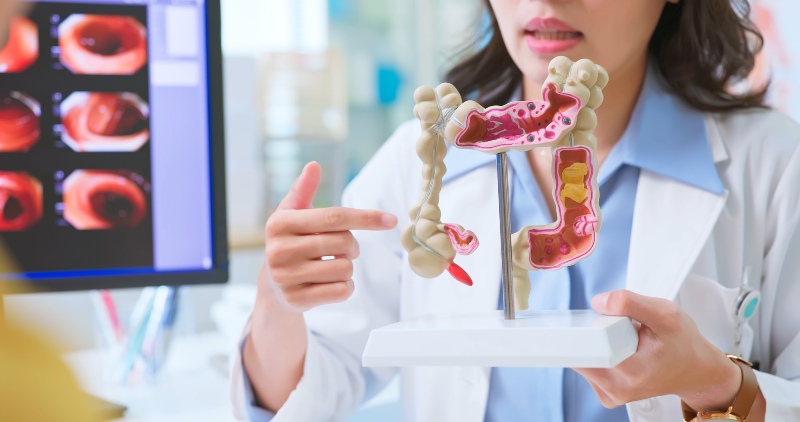
Colorectal cancer has become one of the most prevalent cancers across the world although it is also very treatable, in the case of early diagnosis. A lot of individuals do not want to undergo screening because they are either embarrassed or fearful of facing it and they are denied the chance of early detection. Chinese traditional medicine has provided a good supportive care that can supplement the conventional treatment in all stages. This article gives reasons as to why regular colorectal cancer examination (大腸癌檢查) are necessary and how the TCM can assist patients along the way.
Why colorectal cancer examinations are essential
High survival rates with early detection
The development of colorectal cancer is gradual and might require many years before it turns cancerous as a result of benign polyps, which are removable. When treated early, therapy effectiveness is much higher. TCM is aimed at increasing the strength of the body throughout and after the treatment. The following are the survival advantages of completing early examination:
- Stage one survival: patients with localized colorectal cancer experience a 5 year survival rate of ninety percent or more.
- Polyp removal prevention: It is with the help of screening that it is possible to identify and eliminate precancerous polyps before they have a chance to become cancerous.
- Less aggressive treatment: Cancers diagnosed at an early stage can be treated only with surgery with no need of chemotherapy and radiation.
- TCM support role: Before the surgery, the herbal medicine may help to make the body stronger and after-surgery, it may help the patient.
Common screening methods available
There are some successful screening tools to deal with colorectal cancer, and they have certain benefits. The knowledge of these techniques contributes to people making a personal choice. TCM practitioners are able to provide information in taking care of the body before procedures. The key examination techniques are:
- Fecal immunochemical test: This is an easy test that is performed in the home which shows presence of hidden blood in the stool and is a sign of possible abnormalities.
- CT colonography: Virtual images have a detailed view of the colon without the need of sedation is also important, as well as a scope being inserted in the colon.
- Flexible sigmoidoscopy: This test is observed at the bottom of the colon where a majority of cancers arise and minimum preparation must be made.
- Stool DNA testing: This is an advanced laboratory test that can identify a genetic cell marker with regard to colorectal cancer.
How TCM supports colorectal cancer patients
Traditional Chinese Medicine provides all-round care to patients across the lifespan of their cancer diagnosis. It is all about building strength on the body besides control of the treatment side effects. The following are the contributions of TCM to the overall wellbeing:
- Pre-surgery preparation: Tonifying herbs will make the body stronger which may lead to better surgical outcomes and recovery.
- Post-surgery recovery: Acupuncture decreases the pain and aids the healing process whereas herbs overcome post-operative weakness.
- Chemotherapy side effect management: Herbal formula reduces the side effects of nausea, fatigue, diarrhea and mouth ulcers caused by chemotherapy.
- Appetite improvement: The Spleen-strengthening herbs assist in the resumption of digestion and absorption of food nutrients.
- Emotional balance: Herbs and acupuncture points that are liver-soothing help deal with stress and anxiety, emotional ups and downs.
Exploring the frequently asked questions
When should colon rectal cancer screening start?
The majority of medical institutions suggest that the common screening should commence at the age of forty-five to average-risk people.
Is it possible to use TCM in concurrence with the standard cancer care?
Yes, TCM is generally regarded as a complementary treatment to control the side effects and to improve the quality of life in the process of treatment.
Is screenings of colorectal cancer painful?
Sedation of patients during the colonoscopy does not cause any pain; other procedures, such as stool tests are painless.
How do TCM practitioners work with an oncology team?
Qualified practitioners optimize care in communication with medical doctors and alignment of all treatments in a safe manner.

