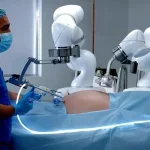
Precision isn’t a bonus in bariatric surgery; it’s the baseline. Every movement needs to be deliberate, especially when navigating delicate anatomy. The way a surgeon moves can directly impact recovery, reduce complications, and influence long-term outcomes. While laparoscopic methods have significantly advanced the field, they still present challenges, particularly in high-BMI patients where depth perception and control become critical.
That’s why more specialists are turning to robotic surgery in Dallas, Fort Worth, and across the US. This shift isn’t about adopting technology for the sake of it; it’s about achieving greater accuracy, steadier performance, and a higher level of surgical confidence. As both patients and providers look for safer, more predictable outcomes, robotic surgery in Dallas-Fort Worth and elsewhere is emerging as a true game-changer. In the sections ahead, we’ll break down how this approach is reshaping bariatric care and why it’s gaining traction.
A Quick Overview of Robotic Bariatric Surgery
Robotic bariatric surgery refers to weight-loss procedures such as gastric bypass or sleeve gastrectomy that are performed using a robotic surgical system. Unlike popular belief, the robot does not operate independently. The surgeon remains in full control, operating from a specialized console that translates their hand movements into refined actions by robotic instruments within the patient’s body. This approach is particularly useful in cases where anatomical access is complex or challenging due to high BMI or previous surgeries.
What sets robotic bariatric surgery apart is how it supports consistent surgical performance and enables a surgeon-centric operating environment. By integrating advanced tools into a stable and controlled platform, robotic systems have opened up new possibilities in the field. With the growing adoption of robotic surgery in DFW and other regions across the US, the potential for improved outcomes through this approach is becoming increasingly evident. Let’s discuss some of the advantages of robot-assisted bariatric surgery.
Personalized Precision with Enhanced Vision and Control
Robotic bariatric surgery offers a level of precision that surpasses standard laparoscopic techniques. With the help of a high-definition, 3D camera system, surgeons gain a magnified view of the operative field, allowing them to distinguish fine anatomical structures with exceptional clarity. This improved visualization plays a critical role in minimizing errors and enhancing surgical accuracy.
In addition, the robotic instruments mimic the natural movements of a surgeon’s hands but with greater flexibility and stability. This advanced control helps perform complex maneuvers more efficiently, reducing reliance on manual adjustments and lowering the chance of unintended tissue trauma. Overall, the technology fosters a highly controlled environment where every movement is deliberate and optimized for better surgical outcomes.
Minimal Incisions and Blood Loss
Robotic bariatric surgery is performed using a few small incisions, which significantly limits tissue trauma compared to traditional or even standard laparoscopic methods. The robotic arms are designed to work within narrow spaces while maintaining a high degree of control, which helps avoid unnecessary tissue damage. This level of precision translates into less bleeding during the procedure, lowering the need for blood transfusions and reducing the risk of haemodynamic instability. For patients concerned about visible scarring or prolonged wound healing, the smaller incisions also offer cosmetic advantages and lower the chance of wound-related infections. Together, these benefits support a safer surgical experience with fewer immediate postoperative concerns.
Lower Chances of Switching to Traditional Open Surgery
A major advantage of robotic bariatric surgery is the very low likelihood of needing to convert to traditional open surgery. In standard laparoscopic procedures, certain challenges like limited instrument range or difficult angles can sometimes force a switch to open surgery, leading to more tissue disruption and longer recovery. Robotic systems help reduce this risk by offering enhanced control, superior visualization, and improved instrument flexibility. These features allow surgeons to manage challenging anatomical conditions with greater ease, often completing the procedure as planned using a robotic, minimally invasive approach. As a result, the need to revert to open surgery becomes rare, helping patients experience fewer complications and a smoother recovery.
Reduced Complications
One of the key benefits of robotic bariatric surgery is the lowered risk of internal leaks, particularly at staple or suture sites. The robotic system’s stable platform allows for more accurate stapling and suturing, which is especially important in gastric bypass or sleeve gastrectomy procedures where any misstep can lead to leakage. Additionally, the system’s precise movements reduce the likelihood of accidental injury to surrounding organs such as the spleen or liver, which are situated close to the surgical field. These factors significantly lower the likelihood of corrective procedures and complications such as abscess formation or peritonitis, making the recovery process more predictable and less stressful for the patient.
Reduced Postoperative Pain and Accelerated Recovery Timelines
Robotic bariatric surgery is associated with smoother postoperative recovery largely because of the system’s ability to limit internal tissue manipulation. This refined control reduces stress on surrounding nerves and structures, helping to lower pain intensity after surgery. Unlike traditional approaches, where broader access points may cause prolonged soreness, the robotic method uses a targeted entry strategy that limits stretching or pressure on muscle layers. This translates to less discomfort during movement and physical therapy, allowing patients to regain mobility with fewer setbacks. Recovery protocols are often streamlined, and many patients are able to resume walking and basic self-care sooner than expected, making the recovery phase more manageable and less disruptive to daily life.
Robotic Bariatric Surgery: An Informed Step Toward Better Outcomes
Whether you’re exploring weight loss surgery or dealing with complications from a previous procedure, robotic bariatric surgery offers an enhanced precision and targeted approach than laparoscopic surgery. With reduced risks, faster recovery, and advanced surgical control, robotic-assisted surgery is increasingly preferred by patients and surgeons. For those in Texas considering the procedure, consulting a specialist highly regarded for robotic bariatric surgery in DFW, Mansfield, & Plano can help understand your choices and determine the best next step based on your unique medical history and goals.