

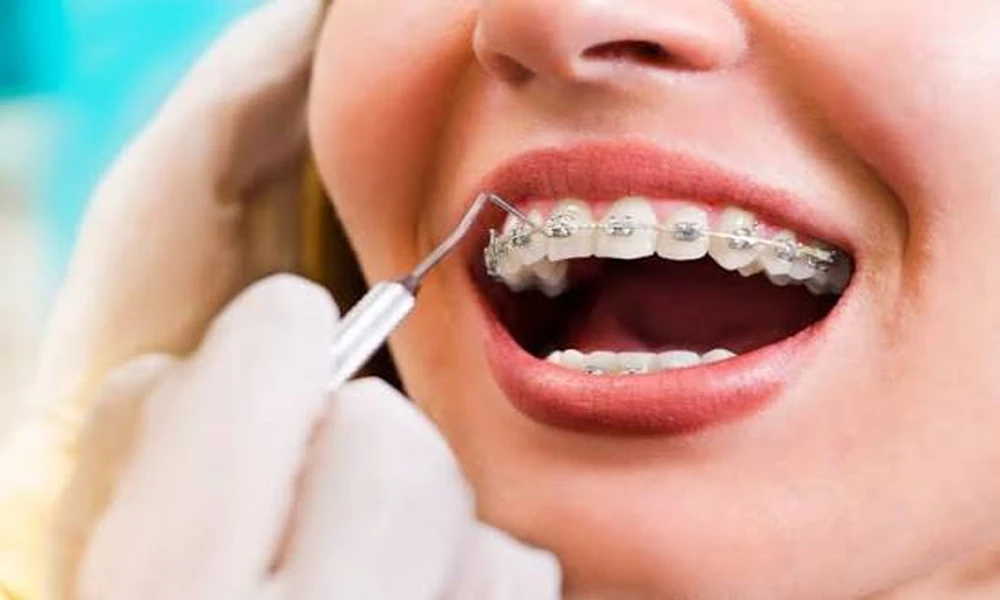
Three people sit in an orthodontic waiting room on a Saturday. One is fourteen and was brought by a parent. One is thirty-two and has a wedding next year. One is fifty-five and has noticed the lower front teeth overlapping more each year. All three typed teeth straightening singapore into a phone last month, and all three will leave with different advice. Their cases show how the options are matched to mouths, and why the popular choice is not always the suitable one.
What All Three Have in Common
Teeth move for anyone, at any age, by the same biology. Gentle, sustained pressure causes bone to dissolve slightly on one side of a root and rebuild on the other, and the tooth drifts through. Every appliance is simply a different way of delivering that pressure. The differences lie in how precisely force can be applied, how visible the device is and how much depends on the wearer. Age changes the pace and the limits, not the principle.
The Fourteen-Year-Old: Crowding and a Growing Jaw
The teenager has crowded upper teeth and a lower jaw that sits a little far back. Because growth is still under way, the orthodontist can influence how the jaws meet as well as where the teeth sit, something far harder in adults. Fixed braces are the usual recommendation here. They work around the clock without relying on a young person’s memory and give fine control over each tooth. Extractions may or may not be needed, depending on the space available.
The Thirty-Two-Year-Old: Mild Gaps, Public-Facing Job
The second patient has small spaces and a slightly rotated tooth, and would prefer that colleagues did not notice treatment. Mild to moderate problems of this sort are where removable transparent trays do well. Each set is worn for a week or two, nearly all day, and swapped for the next in a planned series. The deadline matters too. With a wedding in view, the orthodontist will say honestly whether the timetable is realistic or whether an interim cosmetic fix makes more sense.
Where Transparent Trays Fit and Where They Struggle
Trays are discreet, come out for meals and make brushing easy. They also demand discipline, since hours left in a pocket are hours without movement. Small tooth-coloured bumps bonded to certain teeth help the plastic grip. Providers of clear aligner treatment can now manage more complex movements than in the past, yet large rotations, significant vertical changes and major bite corrections may still be better handled with brackets, or with a combination of both in sequence.
The Fifty-Five-Year-Old: Drifting Teeth and Older Gums
The third patient’s concern is recent crowding. Before any appliance is discussed, the gums and bone are assessed, because moving teeth through weakened support can worsen it. If gum disease is present it is treated first, sometimes with a periodontist involved. Old crowns, bridges and missing teeth complicate planning. Treatment in later life is entirely possible and increasingly common, though goals may be more modest: tidying the front teeth and making them easier to clean.
Ceramic Brackets and Behind-the-Teeth Options
Between metal and trays sit two further choices. Ceramic brackets are tooth-coloured and far less noticeable at conversational distance, with the same mechanics as metal, though they are bulkier and can be more fragile. Lingual braces are fixed to the inner surfaces and are effectively invisible, but they affect speech initially, are harder to clean and cost more. Either may suit an adult who needs the control of fixed appliances and dislikes their appearance.
When Teeth Are Not the Whole Problem
Sometimes the jaws themselves are mismatched: a markedly prominent or retruded lower jaw, an open bite, or facial asymmetry. In a growing child, appliances can guide development. In an adult, appliances alone may only disguise the discrepancy, and the full correction involves jaw surgery planned jointly with a surgeon. A proper assessment includes profile photographs and X-rays of the skull for this reason. Being told that simple alignment will not fix your bite is useful information, not a refusal.
How Long and How Much Effort
Mild cases may finish within months; comprehensive ones commonly take a couple of years. Visits are every several weeks. Daily effort varies: brackets need careful cleaning and some foods avoided, trays need wearing as instructed and rinsing. Discomfort for a day or two after each adjustment or new tray is normal. Ask at the outset what would lengthen treatment, since missed appointments and unworn trays are the usual causes.
Retainers: The Part That Never Ends
All three patients will hear the same thing at the finish. Teeth tend to return towards where they started, and continue to shift slowly with age regardless. Holding the result requires retainers, either a fine wire bonded behind the front teeth, a removable tray worn at night, or both. Wear is long term. Anyone unwilling to commit to this should think again before starting, because the investment is otherwise gradually lost.
Finding Your Own Answer
Online quizzes and mail-order kits cannot examine roots, gums or jaw position. Book a consultation that includes X-rays, ask which appliances would work for your case and why others would not, and get the expected duration, the full fee and the retention plan in writing. Then decide between what is ideal and what you can sustain. Done on that footing, teeth straightening singapore is less about picking a product and more about fitting a method to a mouth.

