

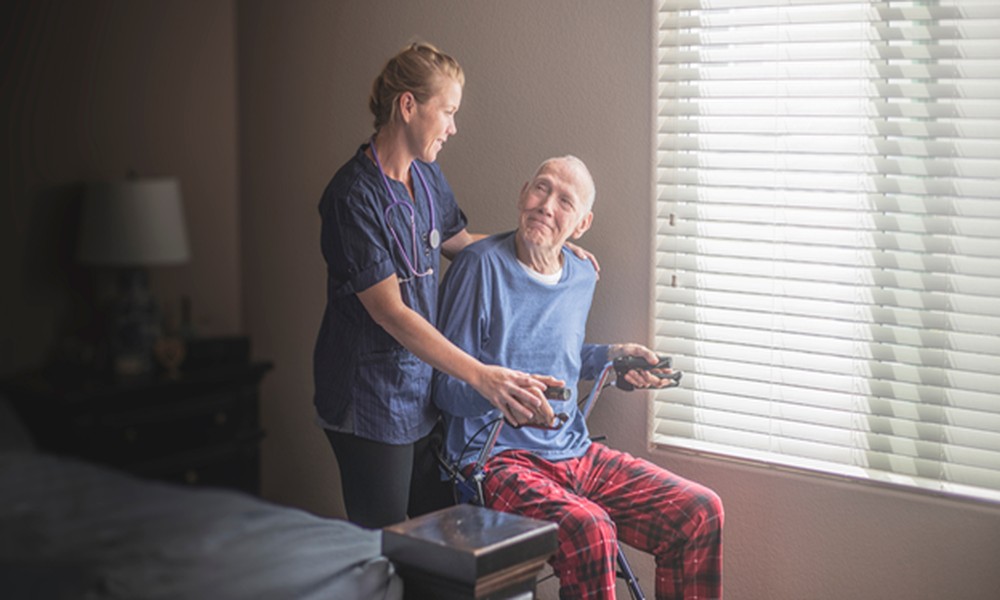
Recovering from a traumatic brain injury (TBI) is a long, complex journey-not just for the survivor, but for their entire family. Once the initial hospital stay and acute rehabilitation phases are over, many families face a stark and frightening reality. Standard health insurance limits begin to cap out, yet the need for daily support, cognitive training, and emotional rehabilitation remains as high as ever.
Too often, families assume their only long-term option is an institutional setting or an expensive nursing facility. Fortunately, New York State offers a powerful alternative designed to help survivors regain their autonomy in a familiar environment. The Traumatic Brain Injury Home and Community-Based Services (HCSS) Waiver program is a specialized Medicaid initiative created to help individuals live as independently as possible.
While many people know the program covers basic medical oversight, it actually includes an array of comprehensive, specialized supports. Here are seven life-changing benefits of TBI waiver program services that you might not know about.
1. Rebuilding Autonomy through Independent Living Skills Training (ILST)
A brain injury can suddenly strip away an individual’s ability to manage routine daily tasks. Independent Living Skills Training (ILST) is a core component of the waiver that focuses on restoring self-reliance. Rather than doing the work for the individual, an ILST specialist works closely with the survivor to relearn vital life skills. This includes teaching strategies for financial budgeting, meal planning, cooking safely, managing medication schedules, and navigating public transportation. The ultimate goal is to reduce long-term dependence on others.
2. Personalized Behavioral Support (PBIS)
Behavioral shifts, mood changes, and frustration are incredibly common following a TBI. Managing impulsivity, emotional outbursts, or social anxiety can strain relationships and hinder a survivor’s progress. Positive Behavioral Interventions and Supports (PBIS) provides a dedicated behavioral specialist to assess these challenges. They design customized, non-restrictive intervention plans that help the survivor develop healthier coping mechanisms, reducing stress for both the individual and their primary caregivers.
3. Dedicated Service Coordination
Navigating the healthcare system, insurance policies, and community resources can feel like a full-time job. One of the most significant benefits of the TBI waiver is the assignment of a dedicated Service Coordinator. This professional acts as an advocate and project manager for the participant’s care. They handle the complex paperwork, coordinate between different therapists and medical teams, and ensure that the individual’s personalized care plan is evolving alongside their recovery.
4. Community Integration Counseling (CIC)
The psychological impact of a traumatic brain injury is profound. Survivors often grieve the loss of their pre-injury lives, dealing with depression, anxiety, or a shift in self-identity. Community Integration Counseling (CIC) is a specialized counseling service designed to address these exact emotional hurdles. It helps survivors and their families manage the emotional toll of the injury, process their altered realities, and build the resilience required to re-engage with their local communities.
5. Structured Day Programs for Socialization
Isolation is a hidden danger in TBI recovery. When school or employment is disrupted, survivors often lose their social outlets. Structured Day Programs offer a solution by providing safe, engaging environments where participants can socialize, learn new hobbies, and participate in cognitive exercises. These programs encourage community re-entry and give survivors a meaningful routine and a sense of purpose throughout the week.
6. Home and Community Support Services (HCSS) for Safety
For many families, the biggest barrier to keeping a loved one at home is the fear of safety. Home and Community Support Services (HCSS) provide trained staff who assist with personal care (such as bathing and dressing) and offer oversight to prevent accidents or elopement. This hands-on assistance ensures that even if an individual has physical or cognitive limitations, they can remain safely in their own home rather than moving into a nursing home.
7. Relieving the Burden on Family Caregivers
Family caregivers are the unsung heroes of TBI recovery, but the physical and emotional toll can quickly lead to burnout. The combination of services provided by the TBI waiver gives families peace of mind. Knowing that trained professionals are handling behavioral plans, independent living training, and daily safety supervision allows family members to step back from being full-time care providers and return to simply being supportive parents, spouses, or siblings.
A traumatic brain injury changes everything in an instant, but it does not have to mean the end of independence. By tapping into these specialized waiver services, survivors can access the structured, long-term rehabilitation they need to thrive right at home. If you or a loved one are navigating life after a brain injury, exploring these community-based resources can open the door to a more autonomous and fulfilling future.


