

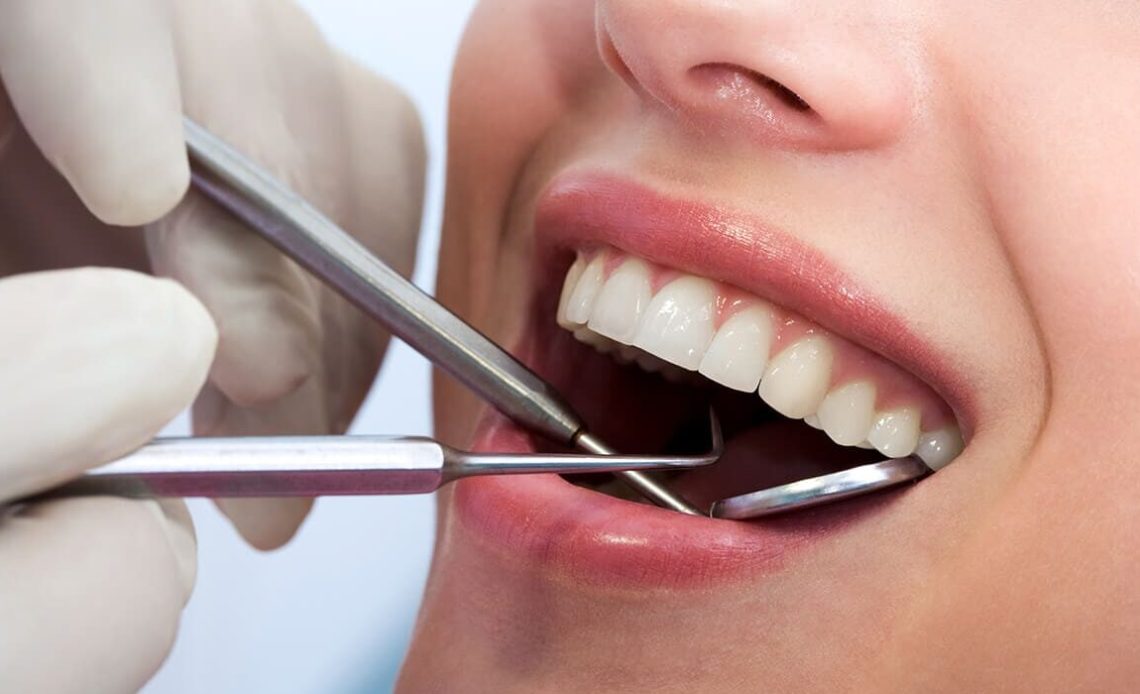
You may not realize it, but your Moline, IL dentist uses advanced imaging to protect your oral health. These tools find issues before they become painful problems. You benefit from faster, easier treatments and fewer complications. By using dental imaging, your dentist can locate cavities, bone loss, or infection early. This quick detection helps maintain healthy teeth and gums with less discomfort. Imaging makes it possible to see details that the eyes alone cannot. You don’t have to endure lengthy or invasive exams. Instead, you get clear results and a personalized care plan. It’s important to have regular check-ups. These appointments ensure you are catching concerns promptly. Your dentist’s use of imaging technology is just one way they show care and expertise. You deserve to smile confidently, knowing that your dental team is looking out for you and your long-term health.
Types of Dental Imaging
Several imaging types help your dentist assess your oral health. Each has unique benefits.
- X-Rays: Standard in most dental check-ups. These images show structures like teeth and jawbones. They quickly identify cavities and bone loss.
- Panoramic X-Rays: These capture your entire mouth in one image. They help find impacted teeth or jaw issues.
- 3D Imaging: Offers a detailed view of your mouth. It is essential for planning implants and surgery.
Understanding different imaging helps you appreciate the detailed care you receive. These images reveal critical information.
Why Early Detection Matters
Early detection plays a crucial role in dental health. Identifying problems early means:
- Less Complex Treatments: Smaller issues require simpler solutions.
- Cost Savings: Fewer interventions save you money over time.
- Better Outcomes: Early treatment leads to healthier teeth.
Prevention and early action reduce the risk of severe issues. Statistics show early detection significantly lowers dental disease rates. For more on dental health, visit the CDC Oral Health page.
Comparison of Imaging Techniques
|
Technique |
Advantages |
Uses |
|---|---|---|
|
X-Rays |
Fast, non-invasive |
Cavity detection |
|
Panoramic X-Rays |
Comprehensive view |
Jaw alignment |
|
3D Imaging |
Detailed, precise |
Implant planning |
This table highlights how each method serves unique purposes. Your dentist chooses the best approach based on your needs.
How to Prepare for Dental Imaging
Getting ready for dental imaging is simple, but here are a few tips:
- Wear Comfortable Clothes: This helps you relax during the process.
- Remove Metal Objects: Metal can interfere with images.
- Follow Instructions: Your dentist will guide you through the process.
Knowing what to expect eases any anxiety. Trust that the imaging process is quick and efficient.
The Future of Dental Imaging
The field of dental imaging continues to evolve. New technologies promise even more precise and less intrusive methods. As advancements occur, expect even finer care. These innovations aim to enhance your comfort and health. For further information, explore the resources on the National Institute of Dental and Craniofacial Research website.
In conclusion, dental imaging is an essential tool in maintaining your oral health. By catching issues early, you enjoy a healthier mouth and more pleasant dental visits. Trust in the technology and expertise of your dental team. They strive to keep your smile bright and healthy for years to come.


